
Smart Questions to Ask Your Auto Repair Shop
Maintaining a vehicle goes far beyond routine oil changes or tire rotations. Cars are intricate machines, and understanding how to communicate effectively with your auto repair shop is essential. Asking the right questions ensures that you are making informed decisions about your vehicle’s care, avoiding unnecessary repairs, and extending the life of your car. With the average age of cars on the road now around 12 years, according to EZ Auto Spa, being proactive about auto parts maintenance is more important than ever. This guide explores smart questions to ask during your next visit, focusing on key aspects of auto parts, replacements, and warranties.
What Are the Most Common Auto Parts That Need Replacement?
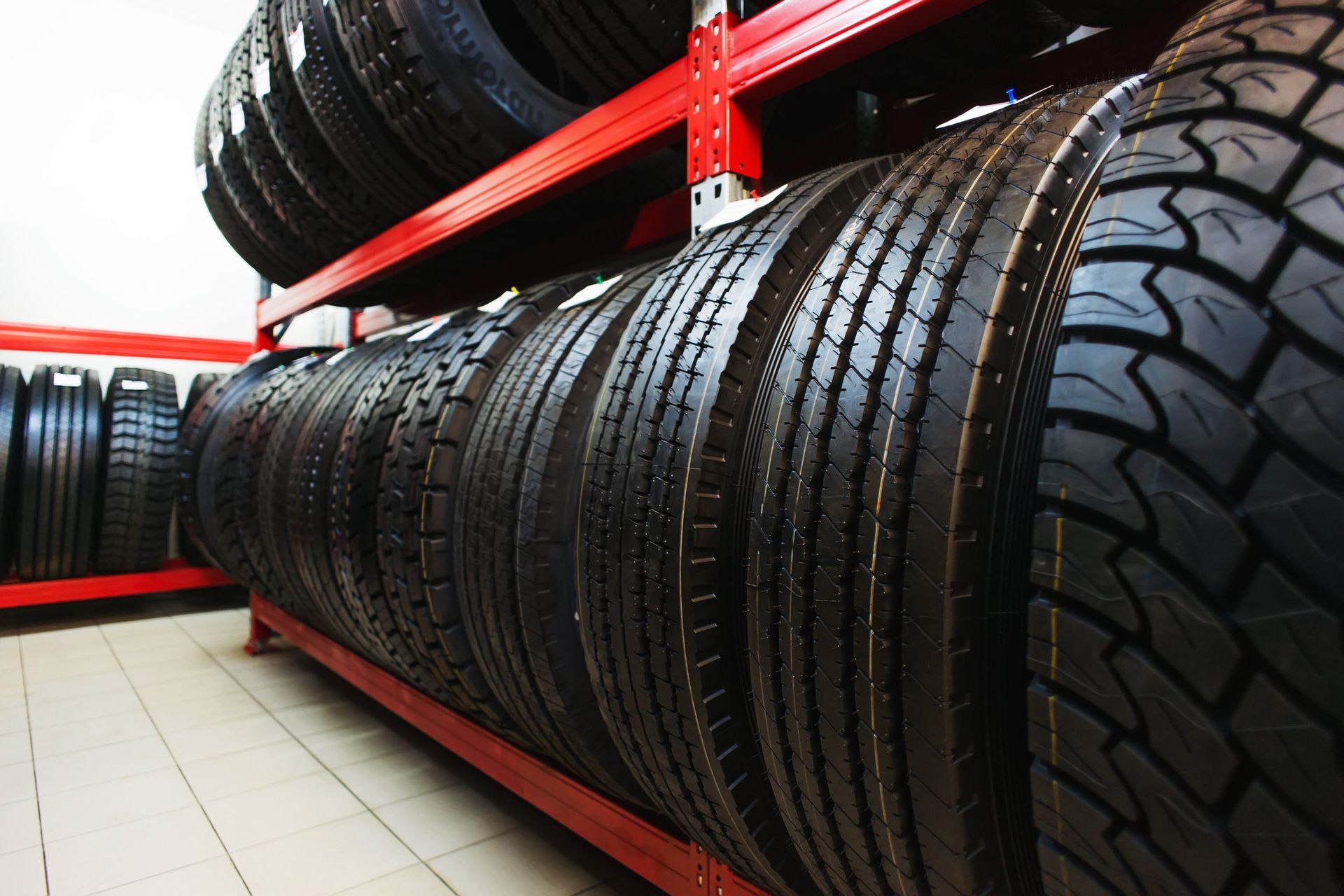
One of the first questions to ask your auto repair shop is about the most common auto parts that may need replacement. Certain parts are subject to normal wear and tear and require periodic attention to keep your vehicle running safely. Brake pads, for example, are among the most frequently replaced components, often wearing down after tens of thousands of miles. Similarly, tires, batteries, and filters all have finite lifespans and are critical for both performance and safety.
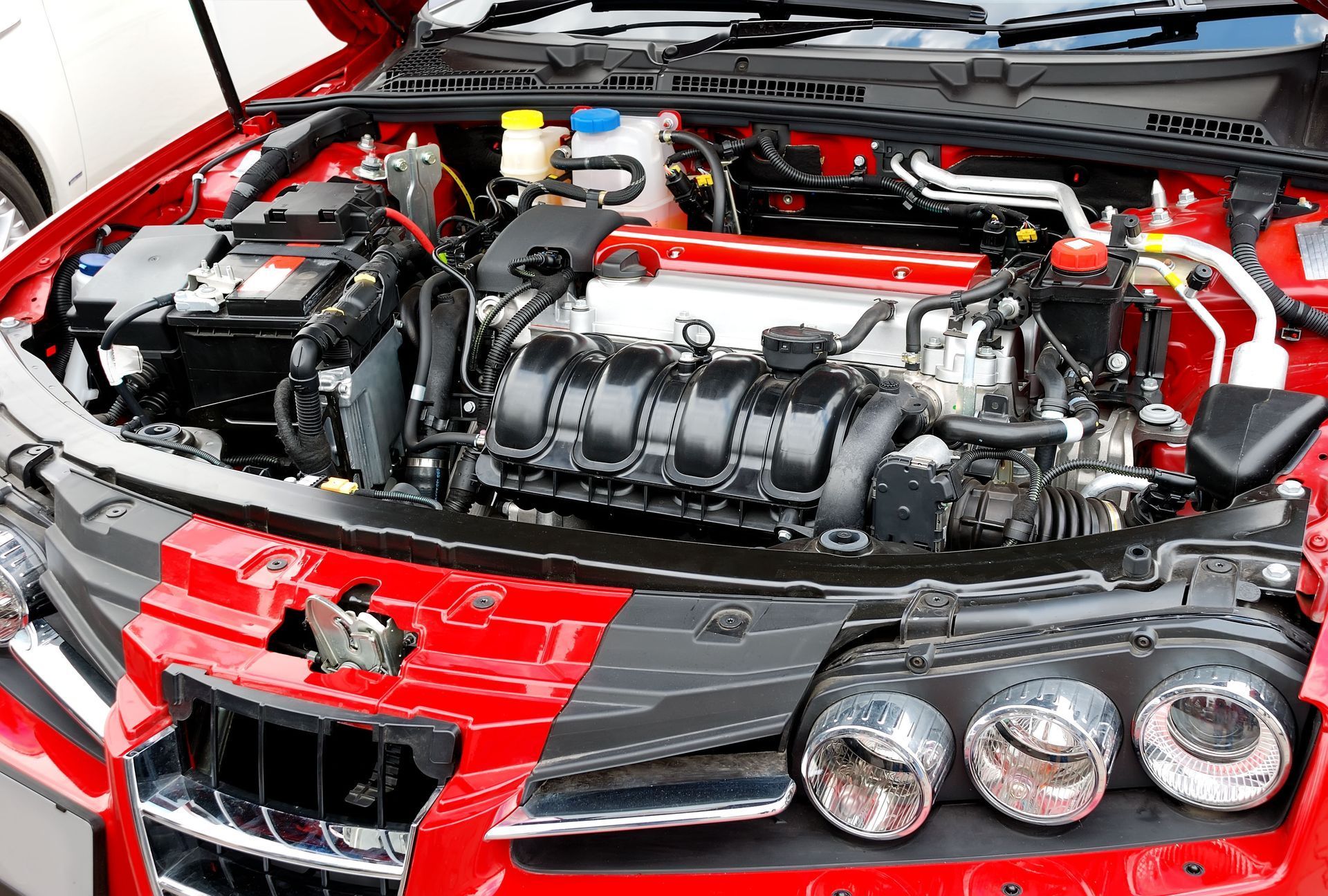
Belts and hoses are also common areas of concern. Over time, these components can crack, stretch, or become brittle, leading to breakdowns or engine issues. By asking your mechanic which auto parts are most likely to need attention in your specific vehicle, you gain foresight into potential repairs and can plan accordingly. This knowledge can help you avoid being caught off guard by unexpected problems, especially as your vehicle ages.
How Can I Tell If My Auto Parts Are OEM or Aftermarket?
Understanding the difference between original equipment manufacturer (OEM) parts and aftermarket alternatives is essential when replacing components. OEM parts are made by the car’s manufacturer and are designed to match the specifications of your vehicle exactly. Aftermarket parts, on the other hand, are produced by third-party companies and may vary in quality and performance.
Asking your auto repair shop whether the parts being installed are OEM or aftermarket allows you to make informed decisions. OEM parts generally offer consistent quality and are often recommended for newer or high-performance vehicles. Aftermarket options may be more affordable and offer a broader range of choices, but the quality can be inconsistent. Knowing the difference helps you maintain your vehicle’s performance, preserve any existing warranties, and ensure long-term reliability of your auto parts.
What Are the Signs That an Auto Part Needs Immediate Attention?
Recognizing the signs that an auto part may be failing can prevent small issues from escalating into expensive repairs. Strange noises such as squealing brakes or grinding gears, unusual vibrations, and warning lights on your dashboard are often early indicators that a component requires attention. Fluid leaks or visible damage to belts, hoses, or tires are additional signs that auto parts may need repair or replacement.
Discussing these warning signs with your auto repair shop can provide clarity on which auto parts need immediate attention versus those that can be monitored over time.
Do Auto Parts Come With a Warranty?
Another important question to ask is whether the auto parts being used come with a warranty. Warranties protect you against defective components and ensure that you are not responsible for repeat failures soon after a repair. Auto repair shops often offer different types of warranties depending on whether the parts are OEM or aftermarket, and the duration can vary widely.
Understanding the warranty on your auto parts also provides peace of mind. If a part fails prematurely, you have recourse to have it replaced without incurring additional costs. Make sure to ask your mechanic to explain the terms of the warranty clearly, including what is covered, the duration, and any conditions that could void it. This knowledge empowers you to make confident decisions and ensures transparency in your vehicle maintenance.
Should You Bring Your Own Auto Parts?
While it might be tempting to source your own auto parts to save money or pick a specific brand, most repair shops strongly discourage this practice. Bringing outside parts can create compatibility issues, prevent proper installation, and even void warranties on labor or parts. Mechanics are trained to work with parts they trust, and using third-party components can complicate diagnostics and increase the risk of improper repairs.
Instead of supplying your own components, rely on the expertise of your auto repair shop to source quality parts. Reputable shops have established relationships with certified suppliers and ensure that the auto parts they install meet safety and performance standards. Asking your mechanic to explain their sourcing process can give you confidence that your vehicle is receiving reliable, high-quality components.
How Often Should I Inspect Key Auto Parts?
Routine inspections are critical to prolonging the life of your vehicle. Asking your auto repair shop how often key auto parts should be checked can prevent costly repairs and keep your car operating safely. Components such as brakes, tires, batteries, and belts should be inspected regularly, even if they appear to be functioning properly.
Your mechanic can provide a schedule tailored to your vehicle’s make, model, and age. Since the average car on the road is now 12 years old, older vehicles may require more frequent checks to address wear and tear. Regular inspections allow mechanics to identify potential issues early and replace auto parts before they fail, helping you avoid unexpected breakdowns and improve overall vehicle longevity.
How Can I Ensure the Quality of Replacement Auto Parts?
Quality matters when it comes to auto parts. Ask your repair shop about the sourcing and testing of parts to ensure reliability. Reputable shops often work with certified suppliers and inspect components before installation. High-quality auto parts not only improve performance but also reduce the likelihood of recurring problems.
Inquiring about quality control gives you confidence that your vehicle is receiving components that meet safety and performance standards. Your auto repair shop should be transparent about the origin, brand, and certification of the parts they install. This discussion also reinforces the importance of preventive maintenance and helps you make smarter decisions regarding replacements.
Should I Consider Upgrading Certain Auto Parts?
Sometimes, replacement is an opportunity to upgrade. Modern auto parts may offer better efficiency, durability, or performance than older components. For example, upgrading to high-performance brake pads, more durable tires, or advanced filters can improve your vehicle’s handling and longevity.
Discuss potential upgrades with your mechanic to determine whether they are worthwhile for your driving habits and vehicle type. Upgraded auto parts may come at a higher initial cost but can save money in the long run by reducing maintenance frequency and enhancing performance. Considering these options ensures that you are not just repairing your vehicle but optimizing it for long-term use.
How Can I Maintain My Auto Parts Between Repairs?
Maintaining auto parts between professional visits is another crucial aspect of vehicle care. Ask your repair shop for tips on how to extend the life of critical components. This may include regular cleaning, lubrication, checking tire pressure, monitoring fluid levels, and replacing filters as needed.
Proactive maintenance reduces stress on parts, prevents premature wear, and enhances safety. By following your mechanic’s recommendations, you keep your vehicle in top condition, minimize the risk of breakdowns, and ensure that expensive replacements are required less frequently.
Asking strategic questions focused on
auto parts empowers you to take control of your vehicle’s maintenance and safety. By understanding which components commonly need replacement, distinguishing between OEM and aftermarket parts, recognizing warning signs, and inquiring about warranties, you build a transparent and trusting relationship with your auto repair shop. Discussing the option to source your own parts, considering upgrades, and learning how to maintain components between repairs ensures that your car remains reliable, even as vehicles on the road grow older. Being informed about auto parts is not just a matter of convenience—it’s a way to protect your investment, save time, and drive with confidence. If your vehicle needs repairs, reach out to the team at Carlos Garcia Tire Shop today!




Share On: